
A backyard pool can bring a lot of joy, but the water needs regular attention and proper care. When hot weather arrives, many homeowners start wondering how to maintain a pool properly. Many spend hours searching the Internet for a detailed pool maintenance guide or watching endless videos on how to take care of a pool, trying to understand the basic steps. In fact, basic pool care is not as complicated as it may seem, as long as you understand the basics and follow a clear routine.
Many homeowners wonder: are pools hard to maintain? It mostly comes down to having a simple routine and knowing what to check. If you figure out how to keep pool water clean, pool maintenance becomes a quick routine instead of a stressful battle with green algae. In this article, we’ll share practical swimming pool maintenance tips that will help you maintain crystal clear water without extra stress or added costs.
The Core Principles of Swimming Pool Maintenance
Every good pool care guide is based on three main pillars: continuous circulation, physical cleaning, and proper chemical balance. If one of these elements is neglected, you may suddenly find yourself searching for how to treat pool water or looking for emergency pool help. Constant water movement reliably prevents stagnation, so the pump must work daily, keeping the water properly circulated. Regardless of whether you are interested in concrete pool maintenance or vinyl liner care, the rule of constant circulation remains absolutely unchanged.
The next extremely important aspect is debris removal and regular filtration. It’s easier to understand what pool maintenance includes when you look at the system as one connected system. To keep a pool in good shape, you need to skim leaves with a net regularly, vacuum the bottom and keep an eye on the filter pressure. Very often, the best solution at the beginning of the warm season is professional pool opening services, which give your pool the right start for the season.
Essential Tools for Inground Pool Cleaning
To work effectively, you will definitely need a basic set of reliable tools. When people ask what you need to keep a pool clean, they often expect a list of expensive, high-tech tools, but everything is much simpler. A standard home pool maintenance kit usually includes a long telescopic pole, a skimmer net for leaves and floating debris, a stiff brush for walls and a pool vacuum. Without these simple things, pool care will take much more time and effort.
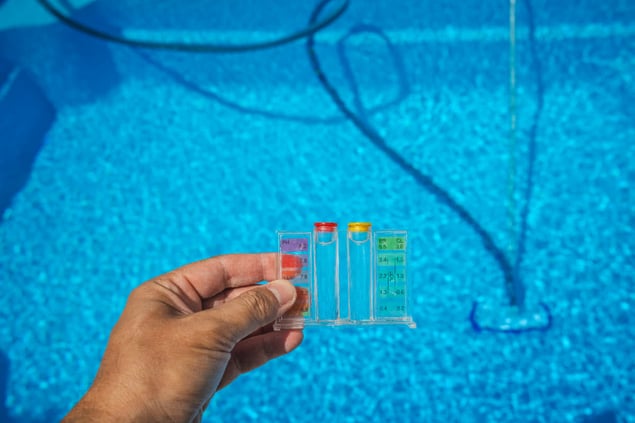
In addition to manual cleaning tools, proper inground pool cleaning also requires reliable water testing tools to check the condition of the water. If you want to perfectly understand how to maintain your own pool, accurate drop tests or convenient test strips will become your go-to tools. They quickly show when your pool water needs treatment, allowing you to add the necessary chemicals in a timely manner and prevent cloudy water before it starts.
Weekly Pool Maintenance and Daily Tasks
Safe, successful pool care starts with a simple routine, because water quality can change quickly in just a few days. Once you create a simple pool maintenance schedule, you won’t have to keep wondering how hard it is to maintain a pool. Daily tasks are usually limited to a quick visual inspection, checking the water level and removing large debris from the skimmer basket. But daily care should be supported by a more thorough weekly routine.
If you are interested in what weekly pool maintenance should include, set aside at least an hour for comprehensive maintenance. Weekly pool maintenance includes several mandatory steps:
- Brushing the walls and steps to prevent slippery buildup
- Skimming debris from the surface with a net and thoroughly vacuuming the entire pool floor
- Testing the water and adding chemicals based on your test results and chemical schedule
By following these simple steps, you’ll keep your pool clean, safe, and ready to use.
Monthly Pool Maintenance and Chemical Balance
A more in-depth monthly maintenance routine can help prevent equipment problems and poor water quality. When performing monthly pool maintenance, it is worth paying special attention to the condition of the filter tank and the overall water chemistry. It’s not enough to know how to maintain a chlorine pool, but also to regularly check the level of calcium hardness, total alkalinity, and stabilizer levels. This kind of complete approach is what separates proper inground pool maintenance from guesswork.
Also, once a month, you need to carefully inspect all rubber seals and listen for unusual pump noises. If you have any doubts about when to replace your pool filter system or how to handle inground pool repair properly, it is better to immediately contact qualified pool technicians. When independent swimming pool maintenance becomes too complicated or confusing, it is wiser to delegate these technical tasks to professional pool services Whitehall Ohio, who understand the details of local pool care.
Expert Inground Pool Service and Support
Sometimes, the easiest way to maintain a swimming pool at home is to call in an experienced local team. DIY pool maintenance isn’t for everyone, especially if you’re short on free time or simply don’t want to deal with pool chemistry. When you hire a reliable inground pool service, you get peace of mind knowing your pool is properly maintained and ready for swimming.
The 614Pools team of experts offers professional pool services that cover all the needs of modern homeowners. We make inground pool care easier than trying to figure everything out through confusing online instructions, and are happy to handle the hard work for you.
If you are looking for reliable pool services Gahanna Ohio, our friendly specialists will quickly and efficiently keep your pool system in excellent condition with regular maintenance.